We equip caregivers in Nairobi, Kenya with practical, evidence-based skills to support children with developmental delays or disabilities.
Discovering a child has a developmental delay or disability is overwhelming. In Kenya, stigma isolates families, and specialized support is rare and unaffordable. Caregivers often carry this alone.
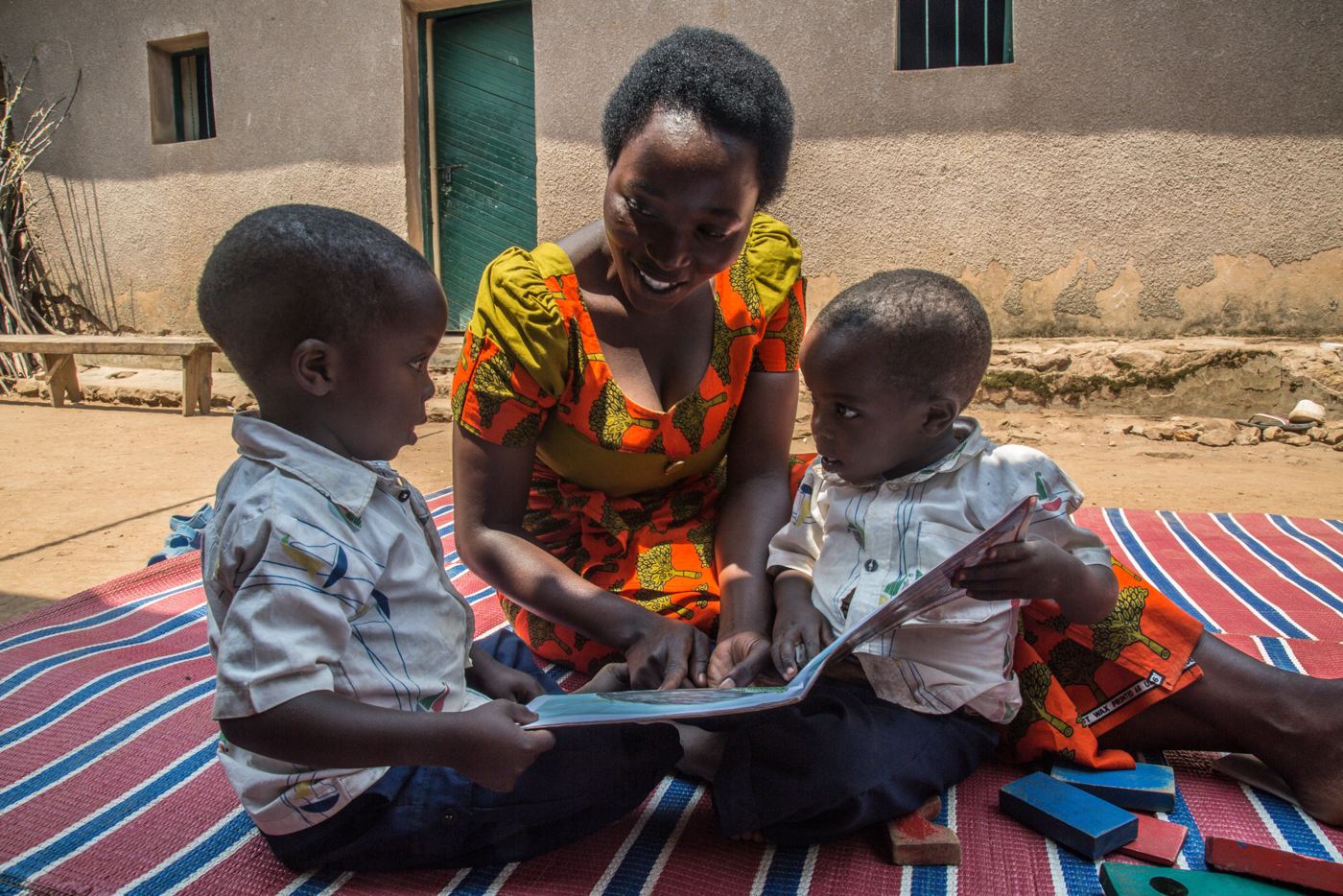
A child’s development doesn’t only happen in clinics. It happens at home—playing, eating, getting dressed.
We turn those everyday moments into opportunities for growth.
Our program operates on three core pillars:
We’re starting with the WHO Caregiver Skills Training program in Nairobi. Field-tested in 30+ countries, it empowers caregivers with communication, daily living, and wellbeing strategies through daily routines.
We want caregivers to build meaningful support networks. Once our first cohort completes training, we’ll begin building peer networks where caregivers can share experiences and learn from one another.
Over time, we aim to work with government and system partners to scale effective caregiver support nationally.
Kenya has made meaningful progress on disability inclusion, with three major recent milestones: Persons with Disabilities National Policy (2024), Persons with Disabilities Act (2025), and the Joint Disability Inclusion Strategy (2025–2027).
Together, these mark a shift from a charity-based approach to a coordinated, rights-based framework for disability inclusion. For caregivers and their children with developmental delays and disabilities, this means stronger legal protections, a mandate for early identification and intervention, and coordinated action across health, education, and social protection systems.
The foundation is set. The work now is implementation.
We start in Nairobi, where the need is high and the local ecosystem is strong. We aim to test what works and build toward national scale.
Caregivers play a central role in supporting children’s development. Evidence shows that caregiver-mediated interventions can strengthen their own wellbeing, skills, and self-confidence and help support children’s communication, engagement, daily living skills, and positive behavior.
We have an evidence-based starting point. In partnership with existing efforts, we hope to answer: What does it cost, what needs to adapt, how can we innovate using the latest evidence and technology, and what does it take to sustain and scale?
We plan to measure outcomes, track the cost of reaching each family, and share what we learn openly.
We follow the data, and we’re willing to change course when the evidence changes.
We build with caregivers and communities, not for them, so what we create actually fits their lives.
We strengthen what already exists, rather than building something parallel to it.
Work with us to strengthen support for families.
Help us bring evidence-based support to more families.
Help us build Whole Family Collective from the ground up.